Scholar
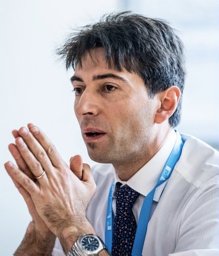
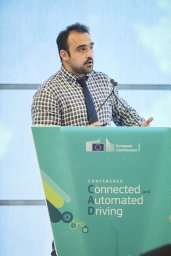
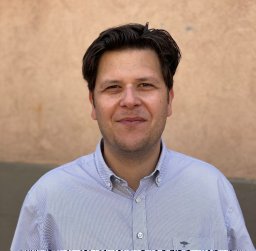
Michail A. Makridis
Google Scholar ID: WwgppIMAAAAJ
Traffic Engineering and Control, IVT, ETH Zürich
Citations & Impact
Citations
2,631
H-index
27
i10-index
43
Publications
20
Co-authors
22
list available
Publications
Resume (English only)
Research Experience
- March 2024 - July 2024: Head of Transport and Traffic Engineering at the Institute of Data Analysis and Process Design (IDP), Zurich University of Applied Sciences, R&D within the broader scope of Intelligent and Connected Transportation Systems.
- 2020 - 2024: Deputy Director of the Traffic Engineering group at the Institute for Transport Planning and Systems at ETH, Zürich, R&D within the broader scope of Intelligent and Connected Transportation Systems.
- 2022: Guest editor in a Special Issue entitled “Vehicle Energy Consumption and Emissions in Intelligent and Sustainable Transportation Systems” to appear in the journal “Energies”.
- 2021: Guest editor in a Special Issue entitled “Sensing the Future of Intelligent Transportation Systems” to appear in the journal “Sensors”.
- 2016 - 2020: Senior Researcher at the Sustainable Transport Unit (STU), JRC, European Commission, Scientific responsible of the Traffic Modeling group within the STU, working as transportation researcher within the C2ART project.
- 2018: Visiting Researcher at Laboratoire d'Ingénierie Circulation Transport (LICIT), Lyon France, Research on the impact of vehicles.
Background
- Research interests include traffic flow, modeling and simulation of vehicle dynamics, instantaneous energy consumption, behavior of human drivers and advanced driver assistance systems, traffic estimation, control, and machine learning. Focus on future intelligent transportation systems (ITS) with connected and automated vehicles, methodological advancements through data-driven and analytical approaches, including simulation, physics-informed modeling, and artificial intelligence, with a priority toward sustainability, traffic efficiency, antifragile operations, and equitable transport networks.